
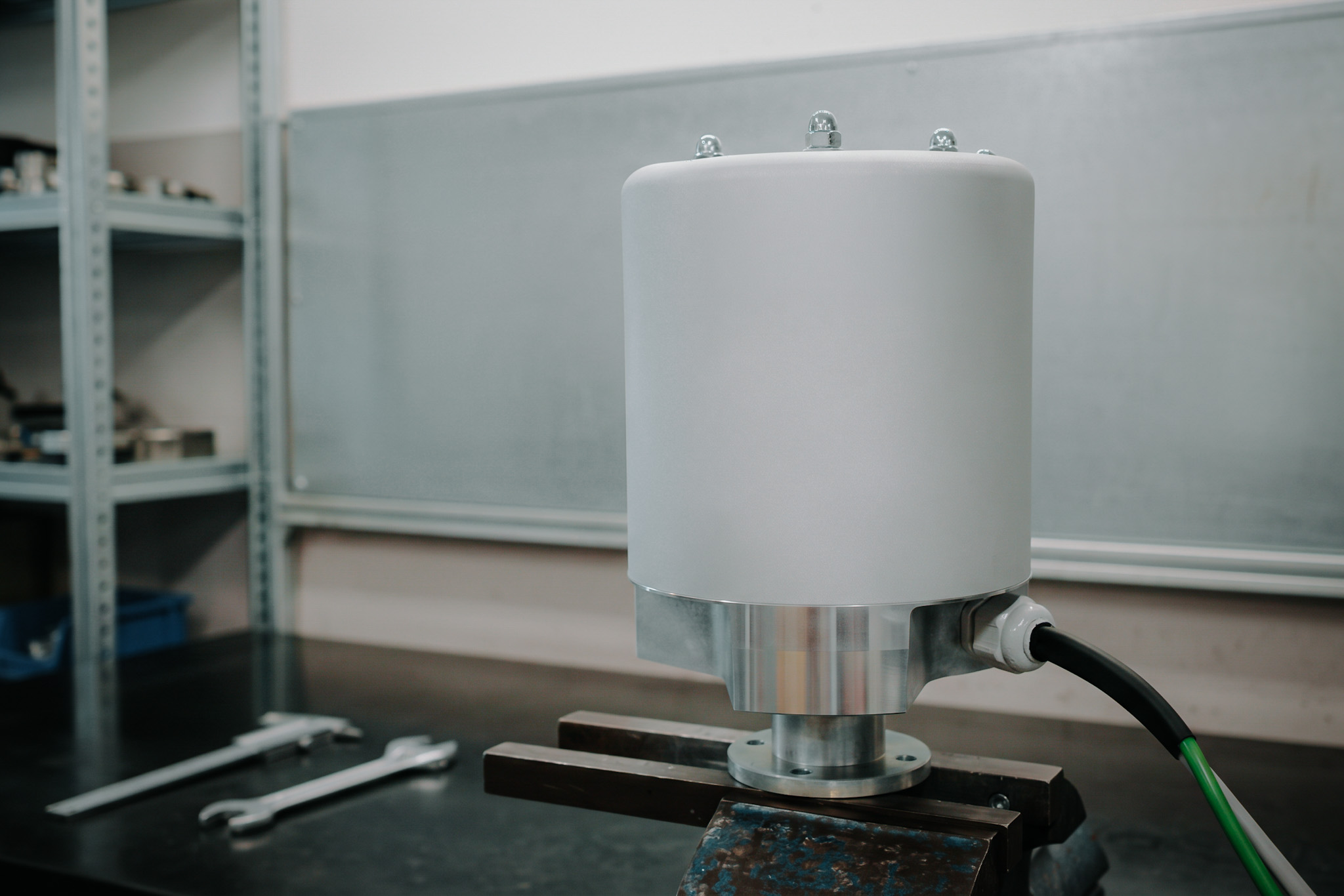
Preventive Maintenance of Slip Rings: Reducing Unexpected Downtime
A rotary electrical slip ring transfers power and signals between stationary and rotating parts. The optimal continuity of this connection contributes to the proper functioning of the machine: wear, contamination, or contact anomalies can compromise power supply and communication. Preventive maintenance of slip rings helps identify problems before they cause an unexpected shutdown. Inspection intervals depend on the model, service hours, speed, and operating environment. The baseline reference is the manufacturer’s maintenance schedule, which should be supplemented by observations gathered during use.
Sealed and Inspectable Slip Rings: When Can They Be Opened?
Before intervening, it is necessary to identify the type of component. For slip rings declared “maintenance-free,” the user is not normally required to perform periodic operations on the internal contacts. However, the external checks indicated by the manufacturer remain necessary, such as inspecting fastenings, cables, and enclosure integrity. “Sealed” and “maintenance-free” are not synonymous: a protected enclosure may provide access for servicing. Conversely, the presence of screws does not automatically authorize disassembly. For inspectable models, opening must exclusively follow the manual and be performed by qualified personnel while the machine is stopped, energy sources are isolated, the absence of voltage is verified, and restarts are prevented (locked out).
What Warning Signs Should Be Monitored?
Measurement fluctuations, intermittent interruptions, and new communication errors deserve attention, especially when they repeat at specific positions or rotation speeds. Unusual noises, vibrations, anomalous temperature increases, or overheating odors also require verification. These symptoms do not automatically prove a slip ring failure: the root cause may also lie in wiring, connectors, alignment, or connected devices. Recording when the anomaly appears, along with the speed, load, and operating hours, aids in the diagnosis. Signs of burning or overheating require a safe shutdown and a technical evaluation before resuming service.
Inspection and Cleaning: Protecting Brushes and Rings
When the manual permits internal inspection, checks should focus on residue accumulation, brush wear against prescribed limits, and the condition of the rings, connections, and insulators. Grooves, irregular deposits, or traces of overheating must be reported. Conversely, a uniform patina on the rings can be normal for certain technologies and should not be removed indiscriminately. The dust generated by wear can be conductive. Where specified by the manual, it must be removed by vacuuming (not blowing) using suitable equipment, carefully avoiding impacts on the rings and contacts. Do not use compressed air, abrasives, solvents, or lubricants without explicit instruction: they can scatter residues, damage surfaces, or alter the device’s operation. The correct procedure always depends on the specific model in use.
Celco Design and Maintenance Manual
The lifespan between one intervention and the next is built directly into the design phase. Celco Profil develops its solutions by considering currents, signals, speeds, and environmental conditions—parameters that guide the selection of the slip ring and help limit stress and wear in the intended application. To determine when to open the component, which checks to perform, and how to clean it, you must follow the instructions for your specific configuration. Request the updated use and maintenance manual from Celco, providing the model, serial number (if available), and operating conditions. This will allow you to schedule interventions precisely according to the guidelines provided for your slip ring.