
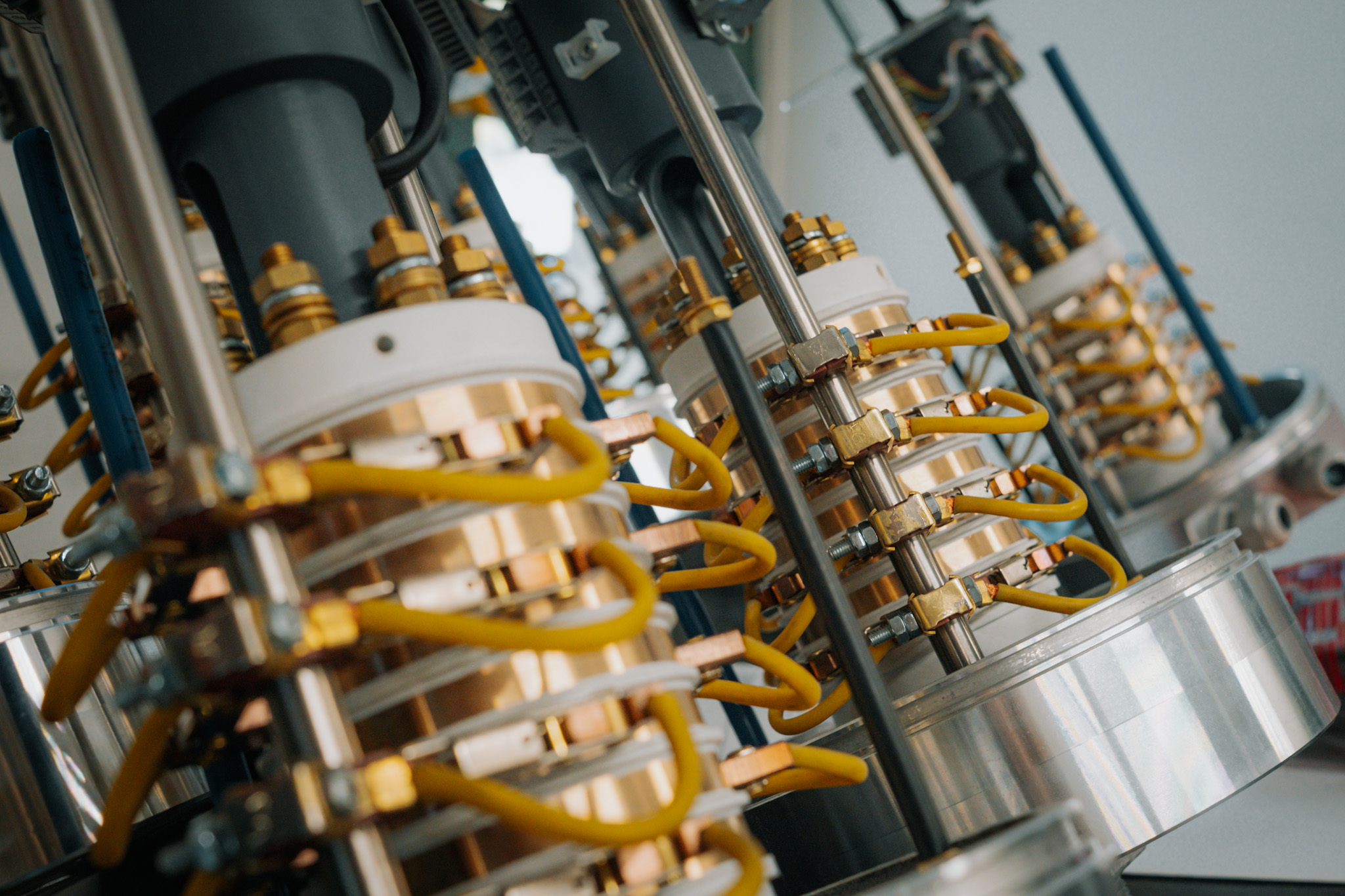
What Does the IP Rating Mean in Rotating Systems?
Processing dust, splashes, and washdowns can put electrical slip rings to the test. To choose a suitable component for an industrial environment, a fundamental reference is the IP protection rating, defined by the IEC 60529 standard.
The code describes the protection provided by the enclosure: the first digit relates to access to hazardous parts and the ingress of solid foreign objects, including dust; the second digit relates to the harmful effects of water ingress. It is a classification tied to specific test conditions: on its own, it does not indicate resistance to detergents, corrosion, or any high-pressure jets.
IP54, IP65, and IP67: What Are the Differences?
For industrial slip rings, distinguishing between the different levels helps in formulating the technical request correctly.
| IP Rating | Dust Protection | Water Protection |
| IP54 | Ingress is not entirely prevented, but it must not compromise operation or safety. | Splashes of water from any direction. |
| IP65 | No dust ingress under test conditions. | Water jets under the conditions specified by the test. |
| IP67 | No dust ingress under test conditions. | Temporary immersion according to defined depth and duration. |
These conditions describe different types of exposure. A component designed to withstand splashes has different requirements compared to one subjected to temporary immersion. Furthermore, IP65 does not equate to suitability for pressure washing: pressure, temperature, and jet distance must be specifically evaluated.
Why Does Rotation Make Sealing More Complex?
In a static joint, the seal operates between stationary, stabilized surfaces. In a rotating system, however, the seal must contend with relative movement, friction, wear, and heat. Misalignments and surface conditions further influence the system’s behavior.
The choice must therefore consider speed, the diameter of the contact surface, temperature, and service life. At the same revolutions per minute (RPM), a larger diameter results in a higher peripheral speed. The design must balance protection, friction, and durability: increasing the contact pressure of the seal might improve certain aspects of sealing but can also generate more heat and wear.
Seal Design at Celco
For a custom slip ring, the starting point is the real-world environment of the machine. During discussions with Celco’s technical department, it is essential to define the present contaminants, washdown methods, rotation speed, and exposure times.
Solutions to evaluate include O-rings for static joints, dedicated seals for dynamic interfaces, and labyrinths, which obstruct the path of contaminants. While O-rings are sealing elements, labyrinths are structural geometries. The choice of seal materials also depends on temperature and compatibility with the substances present.
The goal is to identify a configuration suited to the specific application. The declared IP rating must always be read alongside operational limits: high speeds and prolonged exposures require specific design verifications.
How to Identify the Correct IP Rating for Your Machine
Before making a choice, describe how the slip ring will be exposed to dust and water, whether it will rotate during exposure, and what conditions it will need to withstand over time. Positioning (vertical, horizontal, cantilevered), mounting type, cable routing, and connection types also matter.
Consult the model’s technical documentation and ask Celco for guidance regarding your application. Communicating speed, duty cycles, and cleaning methods allows us to evaluate the necessary IP rating and the conditions that must be respected during installation and use.